3D Render Alert Icon: High-Res Design Guide
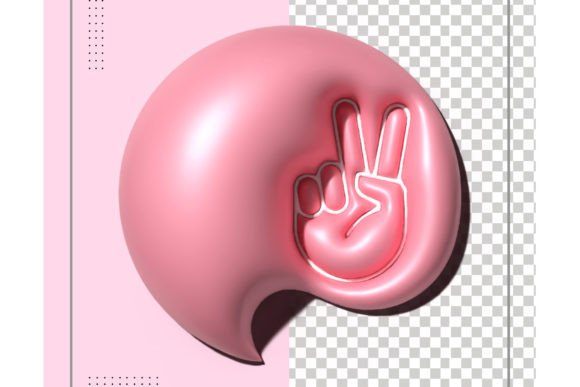
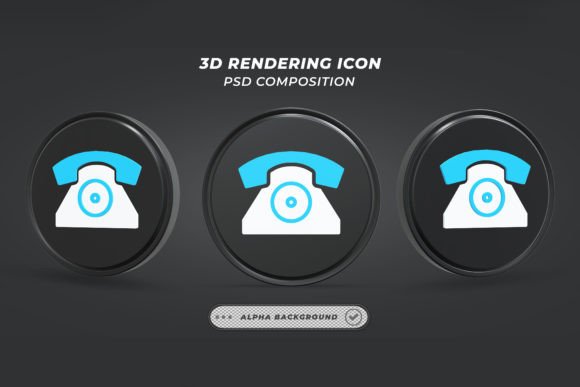
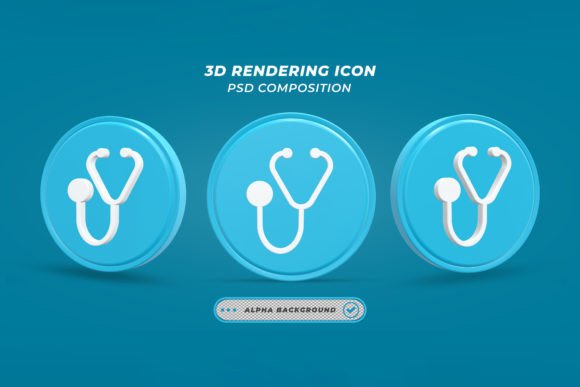
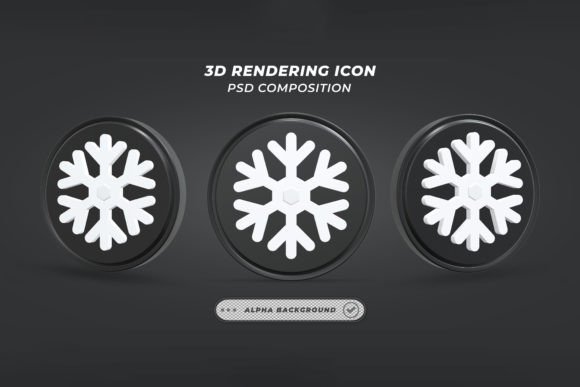
In the fast-paced world of digital communication, visual clarity is not just an aesthetic choice; it is a functional necessity. Whether you are designing a mobile application interface, creating marketing materials for a SaaS product, or developing educational content, the ability to convey urgency or importance instantly is critical. This is where a 3d Render Alert Icon becomes an invaluable asset. Unlike flat, two-dimensional graphics, three-dimensional renders offer depth, realism, and a tactile quality that captures attention more effectively in crowded digital spaces.
The modern designer, marketer, or entrepreneur often faces a dilemma: high-quality 3D assets typically require hours of modeling, lighting, and rendering, or they come with prohibitive licensing costs and complex file structures. However, utilizing pre-rendered, high-resolution templates can bridge this gap efficiently. By leveraging a professionally crafted 3d render Alert icon, you can elevate your project’s visual hierarchy without needing advanced 3D modeling skills.
Enhancing Visual Communication with Depth
Human brains are wired to process three-dimensional objects differently than flat shapes. We perceive depth, shadow, and light as indicators of physical presence. When you integrate a 3d Render Alert Icon into your user interface or presentation, you create a focal point that naturally draws the eye. This is particularly important for alert symbols, which serve a specific functional purpose: to notify, warn, or guide the user.
Consider a dashboard used by financial analysts. A flat red triangle might indicate an error, but it can easily get lost among rows of data. A rendered 3D icon, with subtle shading and realistic material properties, stands out against the flat background of charts and graphs. This distinction helps users prioritize information quickly, reducing cognitive load and improving decision-making speed. For educators creating e-learning modules, a 3D alert icon can signal crucial safety information or key takeaways, ensuring that students do not miss critical details amidst dense text.
The Importance of Resolution and Print Readiness
One of the most common pitfalls in digital design is using assets that look good on a screen but fail in print or on high-density displays. Many free or low-quality icons are limited to web resolutions, often around 72 DPI. This is insufficient for professional printing or retina displays. A high-quality 3d Render Alert Icon should offer a resolution of at least 4500 x 3000 pixels at 300 DPI. This specification ensures that the image remains crisp and detailed whether it is scaled down for a mobile app icon or enlarged for a printed brochure or poster.
For small business owners creating physical marketing collateral, such as flyers or packaging, this level of detail is non-negotiable. Pixelation or blurriness can undermine the perceived professionalism of a brand. By starting with a high-resolution source file, you maintain flexibility across all media channels. You can crop, resize, and adapt the icon without losing integrity, ensuring consistent brand representation from your website to your business cards.
Streamlining Workflow with Smart Objects
Time is a scarce resource for freelancers and agency teams. The traditional workflow for customizing a 3D asset involves opening complex 3D software, adjusting materials, re-lighting the scene, and re-rendering. This process can take hours. In contrast, templates designed with usability in mind utilize Smart Object Replacement Layers. This feature transforms a static image into a dynamic template.
With organized layers and smart objects, customization becomes intuitive. You simply double-click the smart object layer, make your edits—such as changing the color scheme to match your brand guidelines or swapping out a texture—and save. The main document updates automatically. This "very easy to use" approach means that even designers with limited 3D experience can achieve professional results. It allows for rapid iteration during client presentations, where being able to show multiple color variations in minutes rather than days can be the difference between winning and losing a contract.
Versatility Across Industries
The utility of a 3d Render Alert Icon extends far beyond traditional graphic design. Here is how different professionals can leverage this asset:
- UX/UI Designers: Use the icon to create engaging micro-interactions or status indicators in app prototypes. The 3D aspect adds a premium feel to the user experience.
- Content Creators and Bloggers: Enhance article headers or social media thumbnails. A striking 3D visual increases click-through rates by breaking the monotony of standard stock photography.
- Educators and Trainers: Incorporate the icon into slide decks to highlight warnings, important notes, or quiz answers. The visual weight of the 3D object helps retain learner attention.
- Marketers: Use the high-resolution files for email campaigns and landing pages. The ability to change colors easily allows for A/B testing different visual styles to see what resonates best with the audience.
Customization and Brand Consistency
Brand consistency is crucial for building trust. A generic icon rarely fits perfectly into a established brand identity. However, when you have full control over the elements of a 3d render Alert icon, you can ensure it aligns with your visual language. Since all colors can be changed easily, you can match the exact hex codes of your corporate palette. Whether your brand uses muted pastels or vibrant neons, the icon can be adapted seamlessly.
It is important to note that while the template provides the structure and rendering quality, any additional images or background elements shown in previews are often for presentation purposes only. This means the core value lies in the icon itself. Users should focus on integrating the icon into their own unique compositions. This approach encourages creativity, allowing you to place the alert symbol in contexts that are specific to your narrative, rather than relying on a pre-made scene that may not fit your message.
Making the Right Choice for Your Project
When selecting a 3D asset, consider the end-use case. If you are working on a large-scale print campaign, verify that the file includes both PSD and JPG formats. The PSD format preserves the layer structure and smart objects for future editing, while the JPG offers a lightweight option for quick web uploads. Ensure that the layers are well-organized; a chaotic file structure can negate the time-saving benefits of using a template.
Furthermore, evaluate the ease of editing. A truly user-friendly template requires no plugins or specialized knowledge beyond basic Photoshop skills. The goal is to empower users to make changes confidently. If a template requires complex workarounds to change a simple color, it may not be the right fit for a fast-paced workflow. Look for resources that prioritize accessibility and efficiency, allowing you to focus on the broader creative strategy rather than technical troubleshooting.
In conclusion, incorporating a 3d Render Alert Icon into your design toolkit is a strategic move towards higher quality output and greater efficiency. By choosing high-resolution, editable templates, you save time, maintain professional standards, and enhance the visual impact of your communications. Whether you are a seasoned designer or a business owner managing your own marketing, these assets provide the flexibility and polish needed to stand out in a competitive digital landscape.