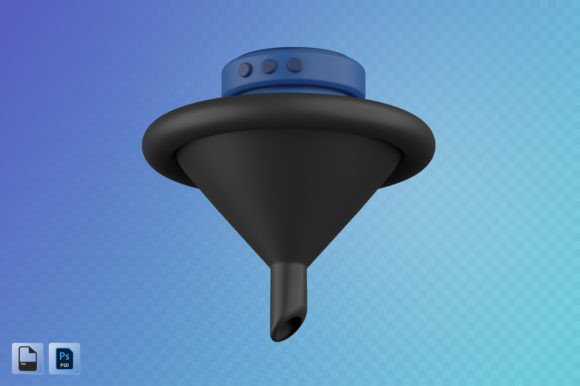
Elevating Digital Aesthetics with High-Resolution Data Filtering 3D Objects
In the rapidly evolving landscape of digital design, static imagery often fails to capture the dynamic nature of modern technology. As businesses and creators strive to visualize complex processes like data analysis, cybersecurity, and information management, the demand for sophisticated visual assets has skyrocketed. This is where the Data Filtering 3D Object emerges as a critical resource. It is not merely a graphic element; it is a versatile tool designed to bridge the gap between abstract technical concepts and tangible visual communication.
Whether you are crafting a sleek mobile application interface, designing a compelling presentation for stakeholders, or creating eye-catching social media advertisements, integrating high-quality three-dimensional assets can significantly enhance user engagement. The Data Filtering 3D Object serves as a universal symbol for sorting, refining, and organizing information, making it an indispensable asset for designers across various industries.
The Versatility of Modern 3D Assets in Design Workflows
One of the primary challenges faced by contemporary designers is finding assets that are flexible enough to fit multiple contexts without losing quality or relevance. A generic icon might suffice for a wireframe, but it rarely carries the weight needed for a final marketing campaign. The Data Filtering 3D Object addresses this need by offering a blend of aesthetic appeal and functional symbolism. Its design is intentionally crafted to resonate with themes of technology, precision, and clarity.
For UI and UX designers, incorporating such objects into app interfaces can guide users intuitively. When a user sees a three-dimensional representation of a filter mechanism, they immediately understand the function: to narrow down choices and find relevant results. This immediate cognitive recognition reduces friction and improves the overall user experience. Similarly, in web design, these objects can serve as hero images or interactive elements that draw the eye and encourage exploration.
High Resolution for Professional Standards
Quality is non-negotiable in professional design. Blurry pixels and low-resolution graphics can undermine the credibility of even the most well-researched content. The Data Filtering 3D Object provided in this package boasts a high resolution of 3000x3000 pixels. This substantial dimension ensures that the asset remains crisp and clear, whether it is displayed on a small smartphone screen or blown up for a large-format poster.
This level of detail is particularly crucial for print media. When designing brochures, flyers, or exhibition banners, the difference between a standard web-resolution image and a high-resolution 3D render is stark. The sharp edges, realistic lighting, and subtle textures of the Data Filtering 3D Object maintain their integrity at any scale, allowing designers to work with confidence knowing their output will meet professional printing standards.
Streamlining Creativity with PSD and PNG Formats
Efficiency is key in any creative workflow. Designers often spend hours searching for the right asset, only to find it in an incompatible format that requires extensive editing. To mitigate this, the Data Filtering 3D Object is delivered in two of the most widely used and versatile file formats: PSD (Photoshop Document) and PNG (Portable Network Graphics).
- PNG Files: These are ideal for quick implementation. With a transparent background, the PNG version allows you to drop the object directly into your project without worrying about removing white boxes or adjusting layers. It is perfect for web banners, social media posts, and presentation slides where speed and ease of use are priorities.
- PSD Files: For those who require deeper customization, the PSD file offers unparalleled flexibility. You can adjust colors, modify lighting effects, or integrate the object seamlessly with other design elements. This format empowers designers to tailor the Data Filtering 3D Object to match specific brand guidelines or thematic requirements.
Having both formats available means you are prepared for any scenario. Whether you are a content creator needing a quick graphic for Instagram or a senior designer working on a comprehensive brand overhaul, these files suit really well for your projects.
Enhancing Presentations and Corporate Communication
Corporate presentations often suffer from "death by PowerPoint," where audiences are bombarded with bullet points and flat charts. Introducing a Data Filtering 3D Object can break this monotony and add a layer of sophistication to your slides. When explaining how a company filters customer data to improve service, or how an algorithm sorts information, a visual metaphor is far more effective than text alone.
Using this 3D object helps to illustrate the concept of refinement. It suggests that raw, chaotic data is being processed into something valuable and organized. This visual narrative can be pivotal in securing buy-in from clients or stakeholders who may not have a technical background. The object acts as a visual anchor, keeping the audience focused on the core message of efficiency and clarity.
Impact on Social Media and Content Creation
In the crowded arena of social media, stopping the scroll is the ultimate goal. Content creators are constantly seeking unique visuals that stand out amidst the noise. The Data Filtering 3D Object offers a modern, tech-savvy aesthetic that appeals to audiences interested in innovation, business, and technology.
For platforms like LinkedIn, where professional content thrives, using high-quality 3D graphics can elevate your personal brand or company page. It signals attention to detail and a commitment to quality. On visually driven platforms like Instagram or Pinterest, the depth and realism of the Data Filtering 3D Object can make your posts more engaging. You can use it to announce new features, explain tech tips, or simply add a stylish touch to your feed.
Moreover, video content creators can utilize the static PNGs as overlays or transitions. By animating the entry and exit of the object, or using it as a background element for text overlays, creators can produce dynamic content that feels polished and professional. The versatility of the asset ensures it does not look out of place in motion graphics, provided it is integrated thoughtfully.
Considerations for Effective Implementation
While the Data Filtering 3D Object is a powerful tool, its effectiveness depends on how it is used. Here are some practical considerations to ensure you get the most out of this asset:
- Contextual Relevance: Ensure that the use of a data filtering visual aligns with your message. It works best when discussing organization, selection, analytics, or technology. Using it in unrelated contexts may confuse the audience.
- Color Harmony: Although the PSD file allows for color changes, consider the psychological impact of colors. Blues and grays often convey trust and technology, while brighter accents can highlight action or importance. Match the object’s palette with your overall design scheme.
- Balance and Composition: Because 3D objects have depth and presence, they can dominate a layout if not balanced correctly. Use negative space effectively to let the Data Filtering 3D Object breathe. Avoid cluttering the area around it with too much text or other heavy graphics.
- Consistency: If you are using this object in a series of designs, maintain consistency in lighting and perspective. This creates a cohesive visual identity that strengthens brand recognition.
Why Choose Specialized 3D Assets Over Generic Icons?
Many designers default to free icon libraries, but these often lack the uniqueness and depth required for high-impact projects. Generic icons are used by thousands of other websites and apps, which can dilute your brand’s distinctiveness. In contrast, a specialized Data Filtering 3D Object provides a custom feel without the custom price tag.
The realism inherent in 3D rendering adds a tactile quality that flat design cannot replicate. It invites the viewer to imagine interacting with the object, creating a deeper emotional connection. This is particularly important in industries where trust and reliability are paramount, such as finance, healthcare, and enterprise software. The Data Filtering 3D Object conveys a sense of solidity and dependability, reinforcing the message that your data handling processes are robust and secure.
Furthermore, the trend towards neumorphism and soft 3D in UI design means that having high-quality 3D assets in your toolkit is no longer optional—it is essential. Staying ahead of design trends ensures that your work remains fresh and relevant. By incorporating the Data Filtering 3D Object into your portfolio, you demonstrate an ability to work with modern aesthetics and technical precision.
Final Thoughts on Asset Integration
The integration of high-quality visual elements is a hallmark of professional design. The Data Filtering 3D Object is more than just a download; it is a strategic asset that can enhance the clarity, appeal, and effectiveness of your creative projects. From the high resolution of 3000x3000 px to the flexibility of PSD and PNG formats, every aspect of this package is designed to support your workflow.
Whether you are a seasoned designer looking to streamline your process or a content creator aiming to elevate your visual storytelling, this object suits really well for your projects. It bridges the gap between form and function, offering a visually striking way to represent the complex world of data management. By choosing tools that prioritize quality and versatility, you invest in the success of your designs and the satisfaction of your audience.