Understanding 3D Rendering Realistic Chat or Online Communication Visuals
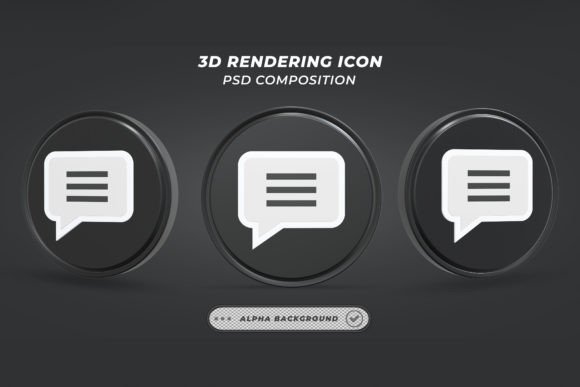
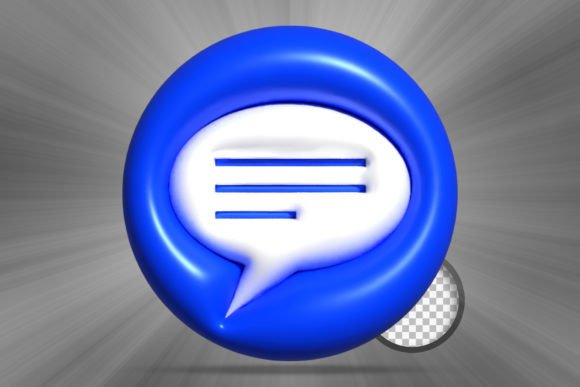
In the rapidly evolving landscape of digital design, visual communication has become paramount. One specific asset type gaining traction among designers and marketers is 3D Rendering Realistic Chat or Online imagery. These assets typically feature three-dimensional representations of messaging interfaces, complete with bubble shapes, icons, and depth effects that mimic real-world lighting and textures. Unlike flat, two-dimensional vector graphics, these renderings offer a tactile quality that can enhance user engagement and brand perception.
This article explores the utility of these high-fidelity assets, examining why they are chosen, how they function within design workflows, and what considerations should guide your decision to incorporate them into your projects. By understanding the technical specifications and practical applications, you can determine if this style aligns with your creative goals.
The Appeal of Three-Dimensional Messaging Icons
The primary reason designers turn to 3D Rendering Realistic Chat or Online elements is the desire for modernity and depth. Flat design has dominated the web for over a decade, but there is a noticeable shift toward "soft 3D" or clay-morphism styles. These styles use subtle shadows, gradients, and rounded corners to create objects that appear touchable.
When applied to chat icons and message bubbles, this aesthetic suggests immediacy and friendliness. A realistic 3D bubble implies a conversation is happening in a tangible space, which can psychologically make digital interactions feel more personal. For businesses focusing on customer support, social media platforms, or communication apps, using these visuals can reinforce the idea of accessible, human-centric technology.
Technical Specifications and Usability
A critical factor in evaluating any design asset is its technical quality and ease of integration. High-quality templates in this category are engineered to reduce friction for the end-user. Typically, these files are delivered with a resolution of 4500 x 3000 pixels at 300 DPI. This specification ensures that the images remain crisp not only on high-resolution retina displays but also in print materials such as brochures, business cards, or large-format posters.
The core functionality of these templates lies in their organization. Professional-grade files include Smart Object Replacement Layers. This feature is pivotal for efficiency. Instead of manually reconstructing lighting effects or perspective every time you change the text or icon, you simply double-click the smart object layer in Photoshop. You edit the content, save it, and the main file updates automatically while preserving all shadows, reflections, and 3D distortions. This workflow allows for rapid iteration, making it possible to test multiple color schemes or messages in minutes rather than hours.
Customization and Flexibility
Versatility is another significant benefit. While the base render provides the structure, the ability to modify colors is essential for brand consistency. Most well-structured PSD files allow users to adjust hue, saturation, and brightness easily. Whether your brand identity relies on vibrant neon tones or muted pastels, the underlying 3D model can adapt without losing its realistic properties.
It is important to note that while the template is highly editable, the core 3D geometry remains fixed. This means you can change the text inside the bubble, swap the icon, or alter the background color, but you cannot fundamentally change the shape of the bubble from round to square without advanced 3D modeling skills. For most marketing and UI/UX purposes, however, the provided variations are sufficient.
Evaluating the Fit: When to Use 3D Chat Assets
Deciding whether to use 3D Rendering Realistic Chat or Online graphics depends on your project’s context. These assets are a strong fit in the following scenarios:
- Landing Pages and Hero Sections: The visual weight of 3D objects draws the eye immediately, making them ideal for above-the-fold content where you need to capture attention quickly.
- App Store Screenshots: Differentiating your app in a crowded marketplace often requires premium-looking visuals. Realistic renders convey a sense of high production value and polish.
- Social Media Campaigns: Platforms like Instagram and LinkedIn favor high-quality, engaging visuals. 3D chat bubbles stand out in feeds dominated by flat stock photography.
- Presentation Decks: Using high-resolution JPGs from these templates can elevate corporate presentations, making data about communication metrics or customer service stats more visually appealing.
Considerations and Potential Tradeoffs
While the aesthetic benefits are clear, there are tradeoffs to consider. First, file size can be an issue. High-resolution PSDs and even the exported JPGs are larger than simple SVG vectors. If you are working on a website where load speed is critical, you must optimize these images carefully before deployment. Using next-gen formats like WebP derived from the original high-res JPGs can help mitigate this.
Second, trend longevity is a factor. While 3D realism is currently popular, design trends cycle. Flat or minimalist designs may return to favor. However, because these templates are easy to edit, you can often flatten the look or simplify the colors if trends shift, extending the asset's lifespan.
Additionally, ensure that the text used within the chat bubbles remains legible. The realistic lighting and shadows that make the image attractive can sometimes interfere with readability if the contrast is not managed correctly. Always preview your final text on various devices to ensure accessibility standards are met.
Making the Decision
To determine if this resource aligns with your needs, ask yourself the following questions:
- Do I need a premium, polished look that stands out from standard flat icons?
- Do I have access to Adobe Photoshop to utilize the Smart Object features?
- Is my target audience responsive to modern, tactile visual styles?
- Do I need high-resolution outputs for both digital and print media?
If the answer to most of these is yes, then investing time in learning how to use these templates is worthwhile. The initial learning curve is minimal due to the organized layer structure, and the time saved in rendering custom 3D scenes from scratch is substantial.
Conclusion
3D Rendering Realistic Chat or Online assets represent a blend of artistic quality and practical utility. They offer a way to elevate digital communication visuals without requiring advanced 3D modeling expertise. By leveraging pre-made, high-resolution templates with smart object capabilities, designers can achieve professional results efficiently. Whether for web design, marketing materials, or app interfaces, these tools provide a flexible foundation for creating engaging, modern content. As with any design choice, balance the aesthetic appeal with functional requirements like load times and readability to ensure the best outcome for your users.
For those interested in exploring more variations, it is always beneficial to review additional portfolios. Many creators offer diverse styles within the same technical framework, allowing you to find the perfect match for your specific brand voice. Thank you for considering these insights, and we encourage you to explore further works that may complement your current projects.