Candy Collection: A Practical Guide to Using Sweet Design Assets in Real Projects
Visual appeal is often the deciding factor in whether a user stops scrolling or keeps moving. In a digital landscape saturated with generic stock photography and flat, corporate illustrations, adding a touch of whimsy can humanize a brand. This is where a well-curated Candy Collection becomes more than just a bundle of cute images; it transforms into a versatile design toolkit for creators who need to inject personality, warmth, and nostalgia into their work. Whether you are designing packaging for a local bakery or creating engaging social media graphics for a lifestyle blog, having access to high-quality, unique sweet-themed icons can streamline your workflow and elevate your final output.
Beyond the Surface: What Makes This Collection Useful
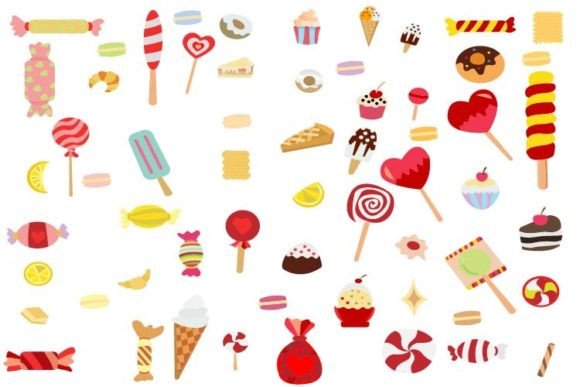
When we talk about a Candy Collection, we are not just referring to clip art from the early internet era. Modern design resources demand precision, flexibility, and scalability. This specific set includes 44 PNG files at 300dpi, ensuring that every lollipop, gummy bear, and wrapped hard candy looks crisp whether it is printed on a business card or displayed on a high-resolution retina screen. The inclusion of 44 SVG files is particularly crucial for web designers and app developers. Scalable Vector Graphics allow these icons to be resized infinitely without losing quality, meaning you can use the same asset for a tiny favicon and a large hero banner without needing multiple file versions.
Furthermore, the provision of EPS and AI files opens the door for deep customization. Professional designers using Adobe Illustrator can tweak colors to match specific brand guidelines, adjust line weights, or combine elements to create entirely new compositions. This level of control is essential for maintaining brand consistency. Instead of forcing your brand colors to fit the asset, you make the asset fit your brand. The vertical and horizontal orientations included in the SVG files also save time, allowing for quicker layout adjustments in responsive web designs where space constraints vary significantly between mobile and desktop views.
Real-World Applications for Entrepreneurs and Small Business Owners
For small business owners, particularly those in the food, beverage, or lifestyle sectors, visual storytelling is a powerful marketing tool. Consider a boutique coffee shop launching a seasonal summer menu. Using icons from a Candy Collection, the owner can create playful menu boards that highlight sweet add-ons like caramel drizzles or chocolate sprinkles. The aesthetic signals fun and indulgence, which aligns perfectly with the customer’s desire for a treat. Similarly, a handmade soap maker might use these sweet-inspired graphics to design labels for fruit-scented products, creating a cohesive look that suggests natural sweetness without using actual food imagery that might confuse customers about the product’s edibility.
Event planners also find immense value in these assets. When designing digital invitations for birthday parties, baby showers, or bridal showers, candy-themed icons provide an immediate thematic anchor. They can be used to decorate headers, frame text, or serve as bullet points in event schedules. Because the files are provided in multiple formats, the planner can send high-resolution PNGs to the print shop for physical invites while using the lightweight SVGs for the email version, ensuring fast load times and sharp visuals across all platforms.
Educational and Content Creation Scenarios
Educators and parents creating learning materials often struggle to find resources that are both engaging and professionally designed. A Candy Collection can be repurposed for teaching basic math concepts, such as counting, sorting by color, or understanding patterns. The bright, distinct shapes of different candies make them ideal visual aids for young learners. Teachers can incorporate these icons into worksheets, PowerPoint presentations, or interactive whiteboard activities. The clean lines and clear colors ensure that the visuals support the learning objective rather than distracting from it.
Bloggers and content creators in the parenting, cooking, or DIY niches can use these icons to break up long blocks of text. Visual breaks improve readability and keep readers engaged. For instance, a food blogger reviewing various dessert shops might use specific candy icons to rate sweetness levels or texture profiles. This creates a unique visual language that regular readers begin to recognize and associate with the blogger’s personal brand. It adds a layer of professionalism and thoughtfulness that generic emojis cannot achieve.
Digital Product Design and User Experience
In the realm of app and website design, micro-interactions and iconography play a significant role in user experience. A fitness app focused on balanced nutrition might use subtle candy icons to represent "cheat meals" or occasional treats within a tracking interface. The friendly, non-judgmental aesthetic of hand-drawn or stylized candy icons can make the process of tracking food feel less clinical and more approachable. Developers can easily integrate the SVG files into their codebase, manipulating colors via CSS to reflect user preferences or dark mode settings.
Game designers working on casual mobile games or educational apps can also leverage this collection. While these may not be complex 3D models, they serve as excellent UI elements, reward badges, or background decorations. The variety of 44 unique designs ensures that there is enough diversity to prevent visual repetition, which is critical for maintaining player engagement over time.
Key Considerations Before Downloading and Using
Before integrating any design asset into your project, it is important to consider licensing and usage rights. Ensure that the Candy Collection you choose allows for commercial use if you intend to sell products or services featuring these designs. Most professional bundles do, but it is always wise to double-check the terms. Additionally, think about your target audience. While candy icons evoke joy and nostalgia, they must align with your brand voice. A law firm might find them inappropriate, but a creative agency or a children’s brand would find them perfectly suited.
Technical compatibility is another factor. If you are not familiar with vector editing software like Adobe Illustrator, stick to the PNG files for simple drag-and-drop usage in tools like Canva or Photoshop. However, investing a small amount of time to learn how to edit the AI or EPS files can yield significant long-term benefits, allowing you to customize the assets to fit any future project needs without having to purchase new resources.
Ultimately, a Candy Collection is an investment in versatility. It provides a ready-made library of high-quality visuals that can adapt to numerous contexts, from print to digital, from education to commerce. By choosing a set that offers multiple file formats and high resolution, you ensure that your designs remain professional and impactful, regardless of where they appear. The key is to use these assets thoughtfully, integrating them in ways that enhance your message and connect with your audience on an emotional level.