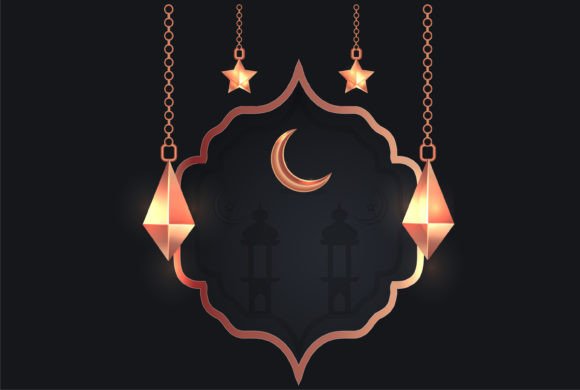
Islamic 3D Elements for Decoration
If you are looking for the Islamic 3D elements for decoration then you are in the right place. These digital assets represent a fusion of traditional geometric artistry and modern manufacturing capabilities, offering a versatile toolkit for anyone interested in bringing intricate patterns into physical or virtual spaces. Whether you are designing a laser-cut panel for a mosque, creating a digital backdrop for a cultural event, or crafting personalized home decor, understanding the nuances of these files is essential for achieving high-quality results.
Understanding the Digital Toolkit
At their core, Islamic 3D elements are vector-based or mesh-ready designs inspired by centuries-old architectural motifs. These include arabesques, girih tiles, calligraphic compositions, and complex star polygons. The value lies not just in the aesthetic beauty but in the technical precision required to translate two-dimensional symmetry into three-dimensional forms. When you download a package containing files like EPS, Ai, SVG, DXF, and JPEG, you are receiving a multi-format suite designed to bridge the gap between graphic design software and fabrication machinery.
The inclusion of formats such as DXF and SVG is particularly critical for users working with CNC routers, laser cutters, or plasma cutters. These formats preserve the mathematical integrity of the lines, ensuring that when a machine cuts through wood, acrylic, or metal, the joints fit perfectly. Meanwhile, EPS and Ai files cater to graphic designers who need to manipulate anchor points, adjust stroke weights, or integrate the patterns into larger branding materials without losing resolution.
Perspectives for Creators and Designers
For professional graphic designers and digital artists, the priority often centers on flexibility and editability. A beginner might simply import a JPEG to use as a static reference, but an experienced creator will open the Ai (Adobe Illustrator) file to deconstruct the pattern. They may wish to isolate specific geometric units to create a seamless texture or modify the curvature of a calligraphic element to better suit a client’s brand voice.
Consider a freelance designer tasked with creating packaging for a premium date brand during Ramadan. Using scalable vector graphics allows them to resize intricate border patterns from a small box label to a large store banner without any pixelation. The ability to tweak colors instantly in vector format means they can match specific corporate palettes, providing a level of customization that raster images cannot offer. For these professionals, the quality of the vector paths—clean nodes, no overlapping lines—is a decisive factor in their workflow efficiency.
Practical Applications for Makers and Hobbyists
The rise of desktop fabrication has democratized access to complex design. Hobbyists and DIY enthusiasts often approach Islamic 3D elements for decoration with a focus on ease of use and material compatibility. If you own a home laser cutter, the DXF or SVG files are your primary tools. These users typically prioritize projects that are forgiving of minor material variations, such as wooden wall hangings or acrylic lampshades.
A hobbyist might choose a geometric star pattern to create a room divider. The practical challenge here is not just cutting the shape but understanding how the negative space interacts with light. By using pre-made 3D-ready elements, they save hours of drafting time. Instead of calculating the angles of an eight-pointed star manually, they can rely on the precision of the downloaded file. This allows them to focus on the finishing touches, such as sanding edges or applying stain, rather than getting bogged down in complex geometry.
Commercial Value for Small Business Owners
Entrepreneurs and small business owners in the home decor sector view these elements through the lens of commercial viability and production speed. For a shop owner selling custom Islamic art, the reliability of the source files directly impacts profit margins. A well-structured EPS file reduces the risk of machine errors during mass production. If a design has unclosed paths or redundant nodes, it can cause a laser cutter to pause or misfire, wasting expensive materials like marble-composite or hardwood.
Moreover, versatility in file formats allows businesses to diversify their product lines. The same geometric motif can be used to create a vinyl decal for a car window (using SVG), a metal gate design (using DXF), and a printed brochure (using JPEG). This cross-platform utility maximizes the return on investment for each design asset. Business owners also consider the uniqueness of the patterns; distinct, less common geometries can help their products stand out in a saturated market.
Educational and Cultural Context
Educators and cultural historians may utilize these elements differently, focusing on their pedagogical value. In a mathematics or art history class, Islamic 3D elements serve as tangible examples of symmetry, tessellation, and fractal geometry. Teachers can use the SVG files in interactive whiteboard software to demonstrate how rotating a single shape creates a complex infinite pattern. This visual aid helps students grasp abstract mathematical concepts through cultural heritage.
For publishers and content creators, the JPEG files included in these packages are vital for high-resolution print media. Whether illustrating a book on Islamic architecture or creating blog graphics, having access to clean, high-DPI images ensures that the final publication looks professional. The accuracy of the geometric proportions in these images respects the traditional rules of Islamic art, which is crucial for maintaining cultural authenticity and educational integrity.
Choosing the Right Format for Your Goal
To determine if these elements match your needs, assess your end goal and available tools. If you are a marketer creating social media posts, the JPEG files may suffice for quick, visually appealing content. However, if you are an architect integrating decorative screens into a building facade, you will need the precision of DXF or Ai files to coordinate with structural engineers and fabricators.
- Beginners: Start with JPEG for inspiration and SVG for simple cutting projects. Focus on learning how layers work in basic design software.
- Professionals: Leverage Ai and EPS for full creative control. Use these files as base layers to build complex, proprietary designs for clients.
- Fabricators: Prioritize DXF for compatibility with CAD/CAM software. Check for closed polylines to ensure smooth machine operation.
Ultimately, the value of Islamic 3D elements for decoration lies in their ability to connect tradition with technology. By selecting the appropriate file format and understanding the technical requirements of your specific project, you can create works that are not only aesthetically stunning but also structurally sound and culturally respectful. Whether you are cutting wood in a garage studio or designing a skyscraper’s interior, these digital assets provide the foundational geometry needed to bring your vision to life.